Etymology of Onosma fruticosa
The etymology of the genus' name "Onosma" [ὄνοσμα] has an ancient Greek origin, and it is mentioned by Theophrastus and Dioscorides. Όνοσμα is translated as "related to the donkey", from "ὄνος" [onos] meaning "donkey" and the suffix "-μα", referring to the fact that donkeys like this plant and actually eat it. "Fruticosa" in Latin is the female for "bushy", referring to its volume.
An alternative etymology
There is also an alternative etymology supported by lexicons -that we should not neglect- which states that the name Onosma origins from two words, "ὄνος" and "οσμή" [osme] meaning "odour", hence "donkey's smell". The supporters of this etymology justify the he justification that the plant smells like a donkey. As funny as it sounds, the word "ὄνος" was used by the ancient Greeks for an additional awkward designation of another genus, Onopordum, which means "donkey's fart".
Botanical Overview of the Shrubby Golden Drop
Onosma fruticosa, commonly known as the shrubby golden drop, is a striking perennial subshrub endemic to the island of Cyprus. It belongs to the Boraginaceae family and is primarily found clinging to rocky limestone cliffs and steep hillsides. This hardy species is well-adapted to the rugged, sun-drenched terrains of the Mediterranean landscape.
Taxonomic Classification and Botanical History
Classified within the Onosma genus, this species is part of a large group of plants known for their "golden drop" flowers. Its specific epithet, "fruticosa," is derived from the Latin word for "shrubby," highlighting its perennial, woody growth habit. It remains a prized subject for botanists studying island endemism.
Unique Morphological Adaptations of the Species
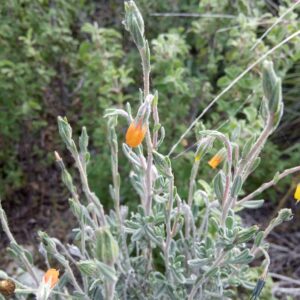
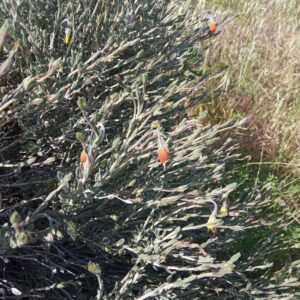
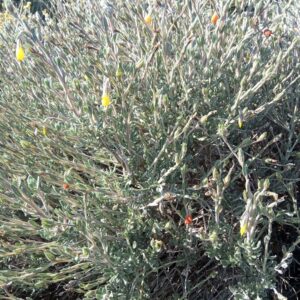
The plant is easily recognized by its woody base and upright, branching stems that can reach up to 50 centimeters in height. Its most notable feature is the dense covering of stiff, bristly hairs known as setae. These bristles protect the plant from intense UV radiation and deter herbivores in its exposed environment.
Descriptive Analysis of the Foliage and Leaf Texture
The leaves of Onosma fruticosa are narrow, elongated, and possess a distinctively rough texture due to the aforementioned bristles. They are typically a muted green color, though the hairs can give them a slightly silvery or grayish tint. This leaf structure is a classic example of drought-resistance in Mediterranean flora.
The Distinctive Tubular Floral Structure and Coloration
The flowers are the true highlight of the plant, appearing in drooping, one-sided clusters called cymes. These tubular, bell-shaped blossoms are usually a bright, vivid yellow, though they may fade to a creamy hue as they age. Their downward-facing orientation protects the nectar and pollen from unexpected rainfall.
Seasonal Flowering Cycles and Pollination Strategies
The flowering period for this species generally spans from March to May, coinciding with the peak of the Mediterranean spring. The tubular shape of the flowers suggests a specialized relationship with long-tongued pollinators, such as certain bee species, which can reach the nectar hidden deep within the floral tube.
Preferred Geological Habitats and Soil Requirements
In the wild, Onosma fruticosa is a specialist of calcareous substrates. It thrives in alkaline soils with exceptional drainage, often growing in the cracks of limestone boulders where few other plants can survive. This ability to colonize harsh, nutrient-poor sites makes it a vital component of cliff-side biodiversity.
Onosma fruticosa in Cyprus
Onosma fruticosa is the most popular species of the genus in Cyprus. It is encountered all around the island up to an altitude of 1100 metres. It thrives on stony limestone ground and igneous formations with garrigue and phrygana vegetation land. Onosma fruticosa's flowering period is from March until May.