The flora of Cyprus represents a unique botanical tapestry, weaving together species from three distinct continents. Located at the intersection of Europe, Asia, and Africa, this Mediterranean island serves as a critical refuge for biodiversity. Its varied topography and specialized soil types have fostered a rich array of plant life that has fascinated botanists and nature enthusiasts for centuries.
A Mediterranean Biodiversity Hotspot
Cyprus is recognized as a significant center for plant diversity within the Mediterranean basin. The island’s isolated evolution and diverse microclimates allow for an impressive range of species to flourish in relatively small areas. From coastal dunes to the high rocky peaks, every ecological niche is occupied by specialized vegetation perfectly adapted to the local environment and climate.
Geological and Geographical Influence
The geological history of the island, particularly the uplift of the Troodos ophiolite, has created unique soil conditions found nowhere else. Serpentine and limestone soils contribute to the development of very distinct plant communities. This geological variety, combined with geographic isolation, ensures that the vegetation remains distinct from that of the neighboring mainland landmasses of Turkey or Lebanon.
Native plants of Cyprus
According to the Fourth National Report of Cyprus to the United Nations Convention on Biological Diversity, the native flora of Cyprus comprises approximately 1,738 indigenous plant taxa, including about 143 endemic species and subspecies - plants that occur naturally nowhere else in the world. These endemics represent roughly 8% of the island’s native flora.
In addition, botanists have identified around 60 near-endemic taxa, species that are largely restricted to Cyprus but may also occur occasionally in nearby parts of the eastern Mediterranean, particularly along the coastal regions of the Levant.
Endemism and Geographic Hotspots
The endemic taxa in Cyprus are primarily found in these three regions:
Troodos Range: The primary center of endemism. Over 100 endemic species are found here, with many classified as Vulnerable or Endangered due to their restricted range (local endemics).
Pentadaktylos (Kyrenia) Range: Home to over 60 endemic species, including several Critically Endangered taxa found only on specific limestone cliffs.
Akamas Peninsula: A critical area for coastal and maquis-dwelling rare plants.
Notable Endemic Plants of Cyprus
Among the most cherished natives the following are included:
- Hartmann’s Crocus (Crocus hartmannianus): A distinctive winter crocus found mainly in the Machairas region.
- Cyprus Crocus (Crocus cyprius): A delicate crocus typically growing in the mountain forests of the Troodos range.
- Cyprus Cyclamen (Cyclamen cyprium): A delicate autumn-blooming perennial.
- Cyprus Bee Orchid (Ophrys kotschyi): A rare orchid mimicking local insects.
- Cyprus Tulip (Tulipa cypria): A striking dark red tulip found in meadows.
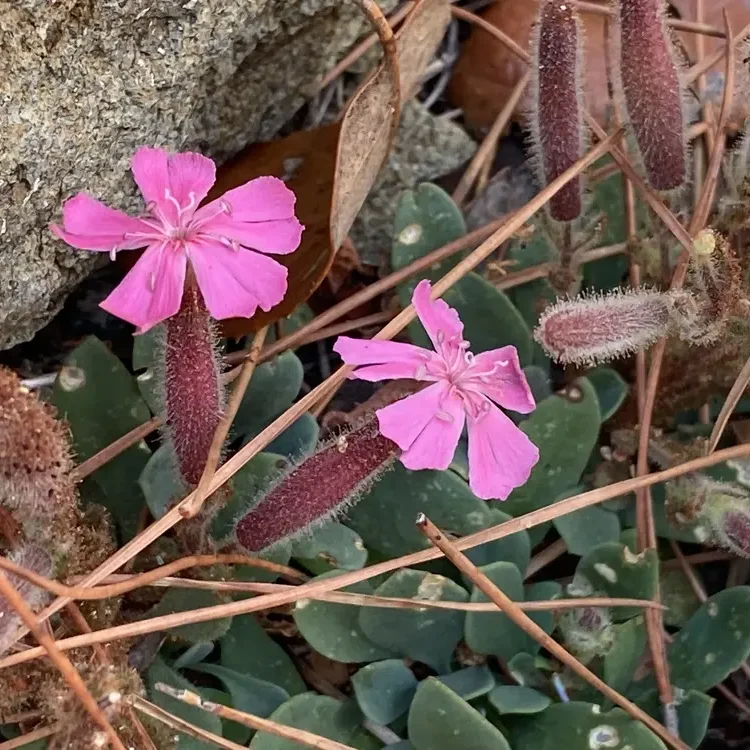
- Aphrodite’s Spurge (Euphorbia veneris): An endemic succulent-like plant of high altitudes.
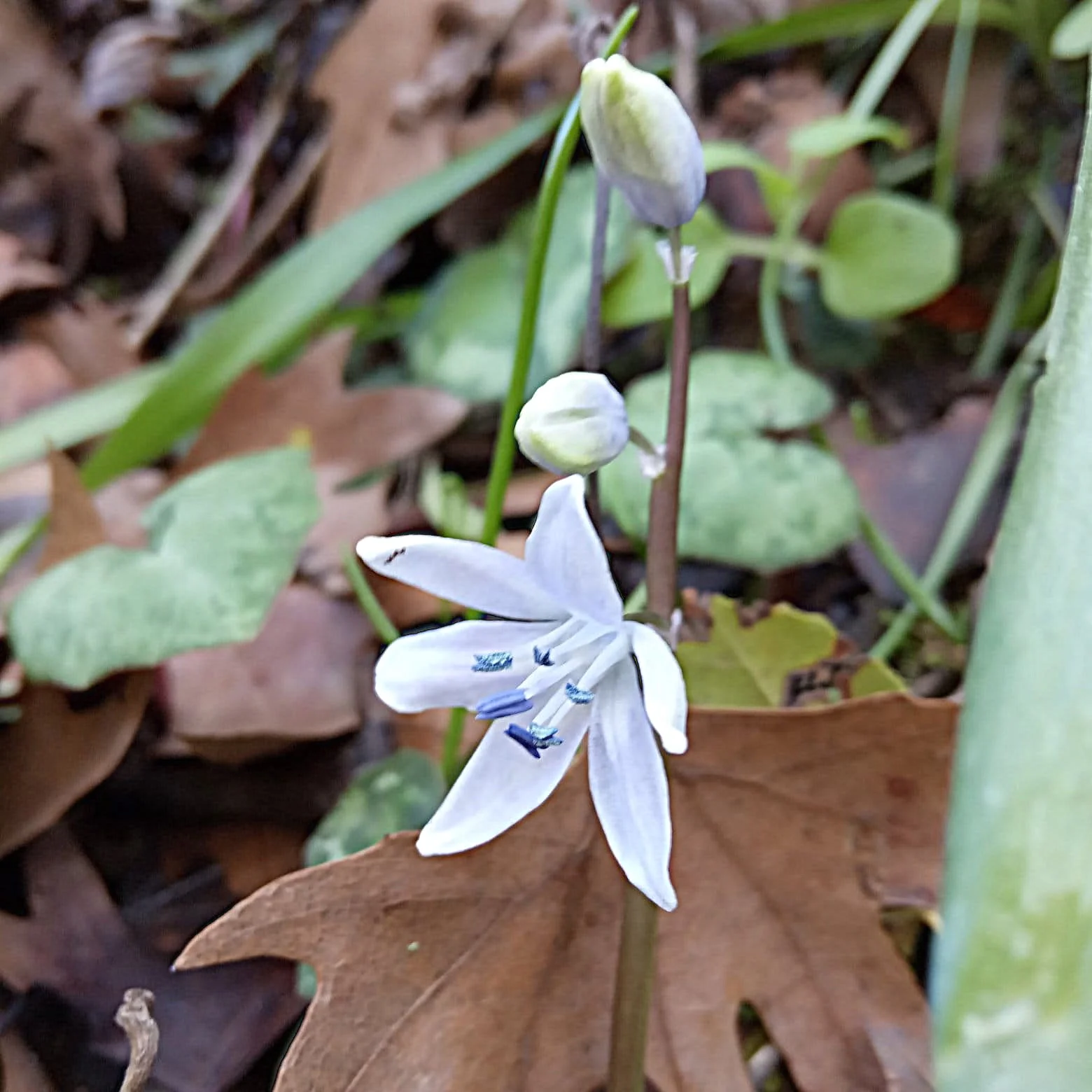
- Cyprus Scilla (Scilla morrisii): A rare bulbous plant found in shaded areas.
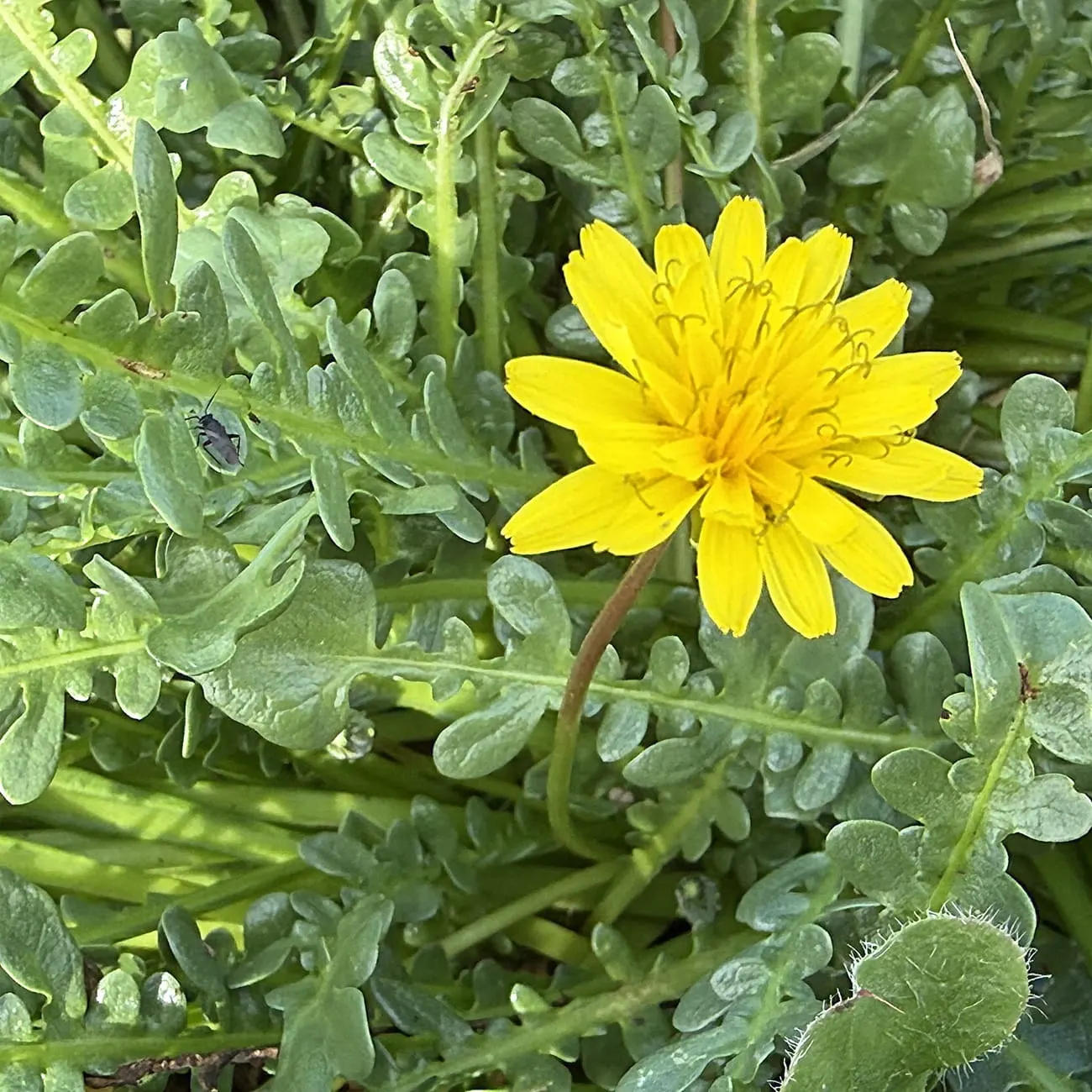
- Aphrodite’s Dandelion (Taraxacum aphrogenes): A rare coastal dandelion growing on sandy seashores.
Low-growing Shrubs and Herbs
Fragrant herbs and hardy, low-growing shrubs also define the landscape. Common species include various types of Rockrose (Cistus species) and aromatic Sage (Salvia fruticosa). These plants are well-adapted to the rocky terrains and are vital for the local ecosystem. Their aromatic oils help them conserve moisture during the dry summer months while deterring many grazing animals.
The Red Data Book of the Flora of Cyprus
There are currently around 238 plant taxa listed as threatened or endangered within The Red Data Book of the Flora of Cyprus (KIPRINIA 93/5th EE-2002). However, subsequent botanical research and conservation assessments, including updated national biodiversity reports and recent floristic studies, indicate that, in 2026, approximately 252 plant taxa were recognised as threatened or regionally extinct in the wild. The current estimates can be summarized as follows:
- Critically Endangered (CE) – 50 Taxa (Species facing an extremely high risk of extinction).
- Endangered (EN) – 67 Taxa (Species considered to be facing a very high risk of extinction).
- Vulnerable (VU) – 141 Taxa (Species facing a high risk of extinction).
- Regionally Extinct (RE) – 23 Taxa (Species that were historically present in Cyprus but have not been observed in the wild for over 50 years).
Conservation Efforts
- In Situ: Approximately 110 of the 143 endemic taxa are currently protected within the Natura 2000 network of protected areas.
- Ex Situ: About 93% of threatened endemic plants have their genetic material (seeds) stored in local and international seed banks to prevent total extinction.
Significance of the Island’s Vegetation
The significance of the local flora lies in its role as a biological bridge between three continents. Because it contains elements from the Balkans, Anatolia, and North Africa, it serves as a living laboratory for evolutionary studies. The high rate of endemism makes it a priority area for global conservation initiatives and international botanical research programs today.
Why Cyprus is Botanically Unique
The island's isolation has allowed for the preservation of "relict" species that have long since disappeared elsewhere. Furthermore, the presence of various soil types within a small area creates a high density of different habitats. This botanical density is extremely rare and makes the island a vital resource for studying how plants adapt to rapidly changing environmental conditions.
Cyprus plants pictures and data
For those seeking detailed information, the website floraofcyprus.com provides an extensive and reliable database. This online resource showcases numerous species with high-quality pictures and relevant text for identification. It is an invaluable tool for identifying plants in the field. The site includes fascinating details on name etymology and specific plant characteristics for both amateurs and professionals.
Habitat Diversity and Plant Communities
The island is divided into several distinct botanical zones, each supporting different plant communities. From the salt marshes of Akrotiri to the serpentine slopes of the mountains, the diversity is staggering. These habitats are home to specialized plants. Such diversity ensures that the island remains a center of interest for ecologists worldwide.
Seasonal Rhythms of Growth
The plant life here follows a distinct seasonal cycle tied to the rainfall. Most growth occurs during the rainy winter months, leading to a spectacular burst of color in the spring. During this time, meadows are filled with poppies, anemones, and daisies. As summer approaches, many plants enter a dormant state, relying on underground bulbs to survive the heat.
Traditional Uses and Cultural Value
Many plants on the island have deep roots in local culture and traditional medicine. Indigenous herbs have been used for centuries to treat various ailments or as culinary staples. This cultural connection adds another layer of significance to the botanical wealth. Preserving these plants also means protecting the traditional knowledge that has been passed down through many generations.