Ranunculus cytheraeus is a charming perennial herb belonging to the Ranunculaceae family. This diminutive buttercup is a specialist of the Mediterranean coastline, specifically adapted to rocky, saline environments. It is a vital component of the early spring flora in the Eastern Mediterranean, particularly within the island ecosystems of Greece and Cyprus.
Cypriot names
Προβατάρης, Ρανούνκουλος ο κυθηραίος
Common English Names
While predominantly known by its scientific name, Ranunculus cytheraeus is sometimes referred to as the Cytherian Buttercup. Another common name used by local enthusiasts is the Coastal Rock Crowfoot, highlighting the preference of Ranunculus cytheraeus for stony, maritime terrains over typical meadows.
Alternative Botanical Names
In older botanical literature, Ranunculus cytheraeus may be found under different names as classifications have evolved. A primary synonym for this species is Ranunculus cupreus subsp. cytheraeus. Occasionally, Ranunculus cytheraeus has been confused with Ranunculus bullatus, though the latter has distinctly different leaf shapes.
Etymology of Ranunculus cytheraeus
The etymology of the genus "Ranunculus" in Latin means "little frog" and it is called as such by Pliny either because many Ranunculus species are aquatic or found near water, just like frogs or because many grow where frogs abound. The specific epithet "cytheraeus" refers to "Cythera" (Kythira), a Greek island. This naming identifies the region where Ranunculus cytheraeus was first scientifically documented and recognized as a distinct species.
Botanical Identification and Morphology
Compact Low-Growing Structure
One of the most defining traits of Ranunculus cytheraeus is its diminutive size. It typically grows flat against the ground or reaches only a few centimeters in height. This "prostrate" habit protects Ranunculus cytheraeus from the buffeting coastal winds and reduces its visibility to grazing animals.
Fleshy and Lobed Leaf Texture
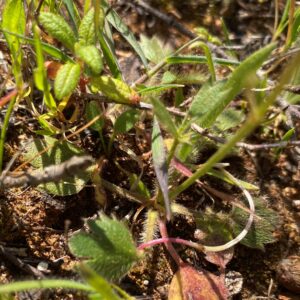
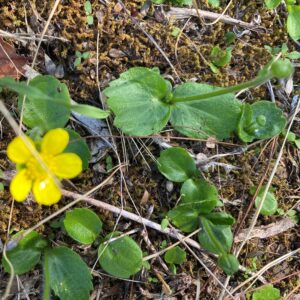
The leaves of Ranunculus cytheraeus are notably thick and somewhat fleshy, an adaptation for storing water in salty environments. They are deeply divided into three lobes, often with a greyish-green tint. This succulent-like quality helps Ranunculus cytheraeus survive periods of drought and high salt spray.
Distinctive Golden Floral Features
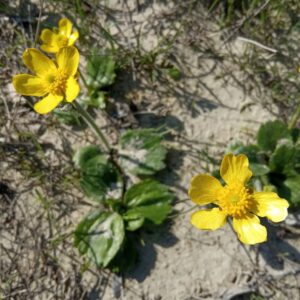
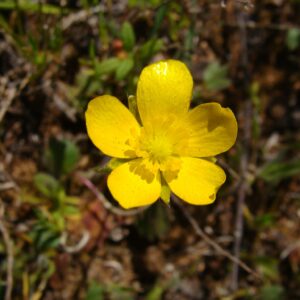
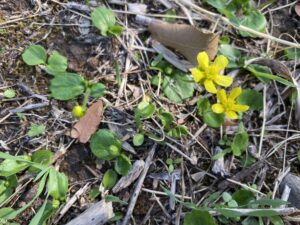
The flowers of Ranunculus cytheraeus are typical of buttercups but appear large relative to the plant's small body. Each bloom features five glossy, golden-yellow petals with a waxy sheen. This reflective surface helps Ranunculus cytheraeus attract pollinators even in the hazy, bright light of the coast.
Geographical Distribution and Habitat
Presence Across the Mediterranean Islands
We encounter Ranunculus cytheraeus primarily in the southern Aegean, Crete, and Libya. It is also a notable part of the coastal flora in Cyprus. The distribution of Ranunculus cytheraeus is strictly Mediterranean, following the warm, maritime climate lines where frost is rare and winters are mild.
Specialization in Saline Coastal Rocks
The preferred habitat of Ranunculus cytheraeus is the "littoral" zone, specifically salt-sprayed rocks and sandy maritime pastures. You will often find Ranunculus cytheraeus tucked into tiny crevices within limestone pavements just meters from the sea. It thrives where most other buttercups would quickly perish.
Ecology and Life Cycle
Early Spring Flowering Period
Ranunculus cytheraeus is an early bloomer, often showing its first flowers as early as October. By flowering early, Ranunculus cytheraeus avoids the intense desiccation of the summer sun. This strategy ensures that Ranunculus cytheraeus can complete its reproductive cycle while the soil remains moist.
Strategies for Pollination
Despite the salty breeze, Ranunculus cytheraeus successfully attracts small bees and beetles. The bright yellow petals act as solar reflectors, warming the center of the flower. This heat reward makes Ranunculus cytheraeus an attractive landing spot for insects needing energy in the cool early spring air.
Dormancy and Summer Survival
As the Mediterranean heat intensifies in May, Ranunculus cytheraeus begins to wither above ground. It survives the scorched summer months as a dormant rootstock buried beneath the sand or rock. This allows Ranunculus cytheraeus to remain protected until the autumn rains trigger a fresh burst of growth.
Phytochemistry and Toxicity
Defensive Chemical Compounds
Like many members of its genus, Ranunculus cytheraeus contains ranunculin, which breaks down into protoanemonin when the plant is damaged. This compound serves as a chemical defense. It makes Ranunculus cytheraeus acrid and bitter, discouraging livestock and insects from eating its nutrient-rich leaves and stems.
Risks of Skin Irritation
The toxins within Ranunculus cytheraeus can be irritating to human skin upon contact. If the leaves are crushed, the sap can cause redness or even small blisters. Therefore, while Ranunculus cytheraeus is beautiful to observe, it should be handled with care, especially by those with sensitive skin.
Diversity Within the Genus
The Expansive Ranunculus Family
The genus containing Ranunculus cytheraeus is vast, boasting over 600 species worldwide. These range from aquatic weeds to high-alpine wildflowers. Ranunculus cytheraeus represents a specialized evolutionary branch that moved toward the sea, adapting to salinity levels that few other buttercups can tolerate.
Comparison to Similar Species
In the field, Ranunculus cytheraeus can be confused with Ranunculus bullatus. However, Ranunculus cytheraeus is distinguished by its smaller, more deeply lobed leaves and its specific preference for rocky maritime niches. These subtle differences are key for botanists mapping the biodiversity of Mediterranean island ecosystems.
Conservation and Gardening
Threats from Coastal Development
The biggest threat to Ranunculus cytheraeus is the loss of undisturbed coastal habitat. As shorelines are developed for tourism, the rocky niches occupied by Ranunculus cytheraeus are often destroyed. Protecting the natural "garrigue" near the sea is essential for the continued existence of this species.
Difficulties in Domestic Cultivation
Growing Ranunculus cytheraeus in a garden is challenging because it requires very specific saline conditions and perfect drainage. Most gardeners find that Ranunculus cytheraeus struggles without the magnesium and salt found in sea spray. It is best appreciated in its wild, rugged home by the Mediterranean waves.
Importance for Botanical Heritage
Ultimately, Ranunculus cytheraeus is a vital part of the Mediterranean's botanical heritage. Its presence tells a story of survival in one of the most beautiful but demanding environments on Earth. Observing Ranunculus cytheraeus in the wild offers a glimpse into the incredible adaptability of island flora.
Ranunculus cytheraeus in Cyprus
Ranunculus cytheraeus grows at low altitudes, in this case at a maximum of 600 metres (it is said that in Cyprus it does not grow at an elevation over 300 metres but I have recorded it in Pentalia village territory, Pafos district). Thus, Ranunculus cytheraeus will not be found in the Troodos mountains range, and additionally, not in the Karpasia peninsula. Its flowering period starts in October and normally ends in February.
How to identify Ranunculus cytheraeus
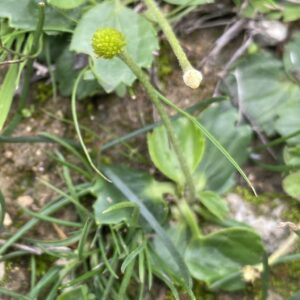
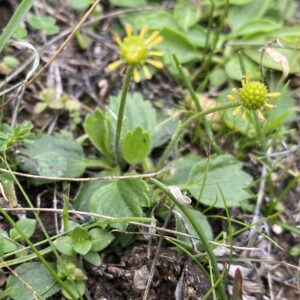
Acknowledged as cytheraeus from its unique leaves (they somehow resemble a duck's foot) that differentiate it from the other local Ranunculus species. Also, it is the only kind that blooms between October and January, with Ranunculus isthmicus the only exception, of which its flowering period begins in January when cytheraeus's period ends.