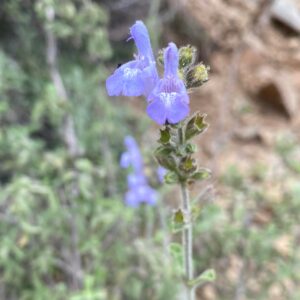
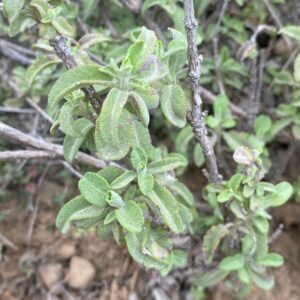
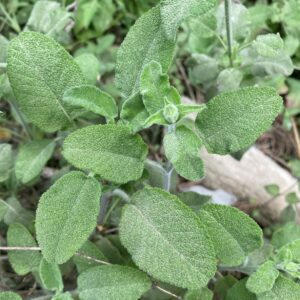
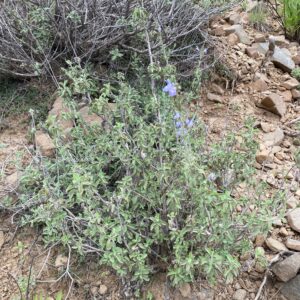
Salvia fruticosa, commonly known as Greek Sage, is a perennial shrub native to the eastern Mediterranean. It is renowned for its high essential oil content and silver-green foliage. Robust and drought-resistant, it dominates the rocky hillsides of Greece and Italy, standing out as a superior culinary and therapeutic herb compared to common sage.
Cypriot Names
Σπατζιά, Χαχομηλιά, Στφατζιά, Σάλβια η θαμνώδης
Etymology of Salvia fruticosa
The etymology of the Salvia genus comes from the Latin "salvo", which means "to save", referring to the genus's medicinal properties, allegedly capable of "saving lives". "Fruticosa" is the female Latin for "bushy", referring to the plant's appearance.
Botanical Identification
This species is distinguished by its trilobed leaves—two small lobes at the base of a larger central leaf. It grows up to one meter tall and produces pale lavender or pink flowers. The plant's intense aroma comes from glandular hairs that release oils when touched or heated.
Phytochemical Profile
The potency of Salvia fruticosa lies in its high concentration of 1,8-cineole (eucalyptol), camphor, and thujone. These compounds provide powerful antiseptic, antioxidant, and antimicrobial properties. Its chemical makeup is often more concentrated than Salvia officinalis, making it a preferred choice for commercial distillation and herbal extracts.
Key Therapeutic Uses
Respiratory and Oral Health
Thanks to its antiseptic properties, Greek Sage is a primary remedy for mouth ulcers, gingivitis, and sore throats. Used as a gargle or tea, it helps clear respiratory congestion and reduce inflammation. Its antimicrobial action effectively combats various bacterial strains found in the upper respiratory tract.
Digestive and Metabolic Support
This herb is traditionally used to stimulate digestion and relieve bloating. Modern research also highlights its potential in managing blood sugar levels and improving cognitive function. It acts as a tonic for the nervous system, helping to reduce oxidative stress and mental fatigue.
Culinary and Commercial Value
Greek Sage accounts for a large portion of the dried sage market. Its pungent, slightly peppery flavor enhances roasted meats, stews, and herbal infusions. Because of its strength, it is used more sparingly than other varieties to avoid overwhelming a dish with its camphoraceous notes.
Salvia fruticosa in Cyprus
Salvia fruticosa is an uncommon plant in the Cypriot habitat. It exists all-around Cyprus up to an altitude of 1550 metres, but encountering it is not easy. In general, fruticosa is more popular in high altitudes. Its long flowering period may begin as early as December (normally in February) and lasts until July.
Salvia fruticosa's leaves are the traditional ingredient in the preparation of tea, often served having been boiled with cinnamon and anise seeds, but it is a herb that raises blood pressure.